
Resilience Has Changed — And SocGen's Move Proves It
For years, "operational resilience" in banking meant one thing: bricks and mortar. Shadow trading floors sat on the outskirts of financial centres, mirroring core facilities and waiting — often for years at a time — to be called into action. They were expensive, they required constant testing, and they gave regulators and executives a comforting sense of preparedness.
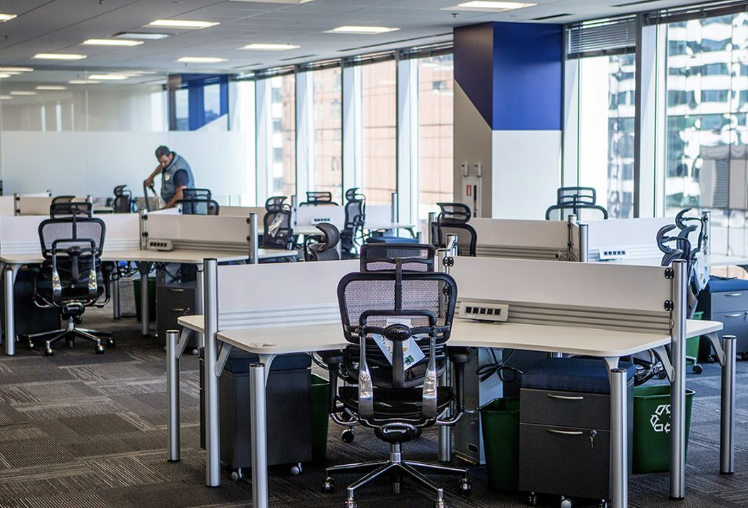
Société Générale's decision to scrap these backup sites marks a quiet but significant shift in how major institutions think about crisis management. The logic is straightforward: if the pandemic proved that thousands of traders could operate effectively from home, why maintain costly duplicate facilities?
It's a compelling argument, but it deserves scrutiny. Remote working solved one type of disruption — a physical lockout from offices. It doesn't address every scenario. Cyberattacks, infrastructure failures, and connectivity outages present challenges that a laptop on a kitchen table cannot overcome alone.
The real lesson here isn't that backup sites are obsolete. It's that resilience thinking must evolve from static contingency plans toward adaptive, layered strategies. The best-prepared organisations won't simply choose between physical redundancy and remote capability — they'll blend both, stress-test regularly, and invest in the technology that makes flexible responses possible.
SocGen's move reflects a broader truth: resilience isn't about having a duplicate of everything. It's about building systems and cultures that can absorb shocks and keep functioning, wherever people happen to be sitting. The organisations that understand this distinction will be the ones still standing when the next crisis arrives.