
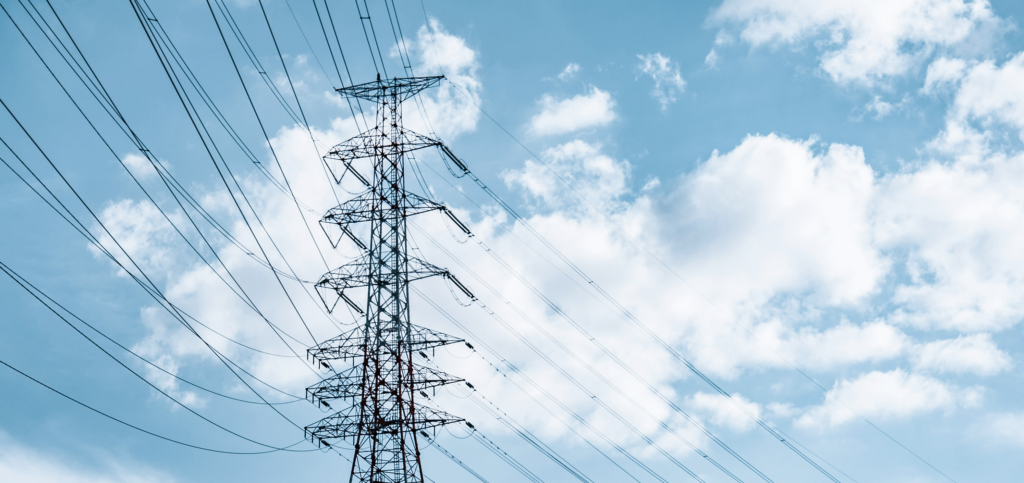
According to a Times report, the National Energy System Operator (Neso) — the body that balances Britain’s electricity supply and demand — is struggling to keep pace with the changing energy mix. A consultancy report commissioned by Neso, from Cornwall Insight, warns the grid is becoming increasingly difficult to control, largely because of the explosion in rooftop solar and other distributed, weather-dependent power sources.
Why balancing the grid is getting harder
The old system was simple: a few hundred gas and coal plants fed power into the grid in predictable daily patterns. If something changed, Neso could just call the plant operators.
Today’s grid is far messier. Millions of small generators — solar panels, batteries, EV chargers — are feeding in and drawing power unpredictably. Wind speeds don’t match forecasts and cloud cover shifts solar output in minutes. Smart meters and home batteries mean demand now reacts to price signals in real time. A storm warning can trigger a sudden rush to charge EVs before a feared power cut.
Worse, most of these two million solar installations aren’t even registered with the balancing mechanism. They’re essentially invisible to Neso’s control room, and many lack the telemetry needed to report real-time data back to the grid. Neso is often left guessing.
The numbers are getting bigger
Neso currently deals with balancing gaps of around 1.7GW — about 6% of average power use. Cornwall Insight projects that could nearly quintuple to 8GW by 2030. And that’s the “reasonable maximum” estimate — the real gap could be higher still.
The result: more frequent “frequency deviations,” with seven substantial supply or demand swings recorded between 2024 and last year. No blackout yet — but the warnings are explicit that a major incident is only a matter of time if this goes unaddressed.
Why this matters for UK businesses
This isn’t just an engineering problem for Neso to solve quietly. A grid that’s structurally harder to balance means outage risk is rising, not falling. With the balancing gap set to grow sharply by 2030, the probability of localised disruptions or, at worst, a serious grid incident, is increasing. Businesses reliant on continuous power — manufacturing, data centres, cold storage, anything with sensitive equipment — should treat resilience planning as a live issue, not a box-ticking exercise.
Boards and operations teams should be asking now: how exposed are we to supply interruptions, and do we have backup power, flexible contracts, or storage in place before this becomes a live crisis rather than a hypothetical one.
The infrastructure and data systems to manage a fully renewable grid are lagging behind the deployment of the technology itself. UK companies that wait for a crisis before addressing their energy resilience may find themselves reacting too late.